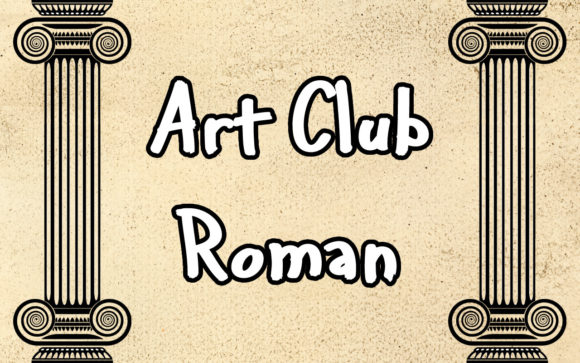
Art Club Roman: A Handwritten Font That Brings Creativity to Life
When it comes to typography, the right font can make a significant difference in how a message is perceived. Art Club Roman is one such typeface that stands out for its unique blend of creativity and clarity. Designed by Dathan Boardman, this handwritten font has gained popularity among designers, artists, and content creators who seek a personal and expressive touch in their work.
Art Club Roman is more than just a font; it's a tool that empowers users to infuse their projects with a sense of authenticity and individuality. Its characters are carefully crafted to maintain balance and readability, making it suitable for a wide range of applications—from branding and packaging to digital content and print materials.
The appeal of Art Club Roman lies in its ability to bridge the gap between traditional handwriting and modern design. Unlike rigid, mechanical fonts, this typeface captures the essence of human expression, adding a warm and approachable feel to any project. Whether used in a logo, a headline, or a body of text, it brings a level of personality that is hard to achieve with other fonts.
Characteristics of Art Club Roman
One of the most notable features of Art Club Roman is its well-balanced character set. Each letter is designed with attention to detail, ensuring that they flow naturally while maintaining a consistent weight and structure. This balance makes the font highly readable, even at smaller sizes, which is essential for effective communication.
The font also exhibits a distinct rhythm and movement, reminiscent of natural handwriting. This characteristic gives it a dynamic quality that can enhance the visual appeal of any design. The slight variations in stroke thickness and the organic curves of the letters contribute to a sense of fluidity and motion, making the text more engaging to the eye.
Another key aspect of Art Club Roman is its versatility. It works well in both digital and print formats, adapting seamlessly to different mediums. Whether you're designing a website, creating a social media post, or producing a physical brochure, this font can be integrated without compromising the overall aesthetic or legibility of the content.
Applications and Use Cases
Art Club Roman finds its place in various creative fields, offering a unique solution for those looking to add a personal touch to their work. In the realm of branding, it can be used to create logos that convey a sense of warmth and approachability. For instance, a small business or independent artist might use this font to design a logo that reflects their personality and values.
In the world of publishing, Art Club Roman can be employed for book covers, magazine layouts, and editorial designs. Its handwritten style adds a tactile and nostalgic element, making it ideal for literary works or artistic publications. When paired with appropriate imagery and color schemes, it can evoke a specific mood or atmosphere that enhances the reader's experience.
Digital content creators also benefit from using Art Club Roman. Bloggers, influencers, and content marketers often incorporate this font into their visuals to make their posts more visually appealing and memorable. It can be used for headlines, captions, or callout text, helping to draw attention and guide the viewer's focus.
Advantages of Using Art Club Roman
One of the primary advantages of Art Club Roman is its ability to convey emotion and personality. Unlike more formal or structured fonts, this typeface allows for a more expressive and individualized approach. This makes it particularly useful for projects that aim to connect with an audience on a deeper level.
Another benefit is its compatibility with different design styles. Whether you're working on a minimalist layout or a more elaborate composition, Art Club Roman can adapt to fit the overall vision. Its clean lines and balanced structure ensure that it doesn't overpower other elements but instead complements them effectively.
Additionally, the font's readability is a significant asset. Despite its handwritten appearance, it remains easy to read, even when used in larger blocks of text. This makes it suitable for body copy in newsletters, pamphlets, or other informational materials where clarity is essential.
Considerations for Effective Use
While Art Club Roman offers many benefits, it's important to consider how it is used within a design. Overusing the font or pairing it with incompatible typefaces can lead to visual clutter and reduce its effectiveness. It's best to use it strategically, such as for headings, titles, or key phrases, rather than for extended paragraphs.
Designers should also pay attention to spacing and alignment when incorporating Art Club Roman into their work. Since it has a more organic feel, careful adjustment of kerning and leading can help maintain a polished and professional look. This ensures that the font enhances the overall design rather than detracting from it.
Furthermore, it's worth noting that the font may not be suitable for all contexts. In highly formal or technical environments, a more traditional typeface might be more appropriate. However, for creative or expressive projects, Art Club Roman can be an excellent choice that adds a unique and memorable quality to the final output.
Conclusion
Art Club Roman is a versatile and expressive font that offers a fresh alternative to more conventional typefaces. Its combination of creativity, clarity, and balance makes it a valuable tool for designers, creators, and professionals across various industries. By understanding its characteristics, applications, and considerations, users can make the most of this unique typeface and elevate their work with a personal and authentic touch.